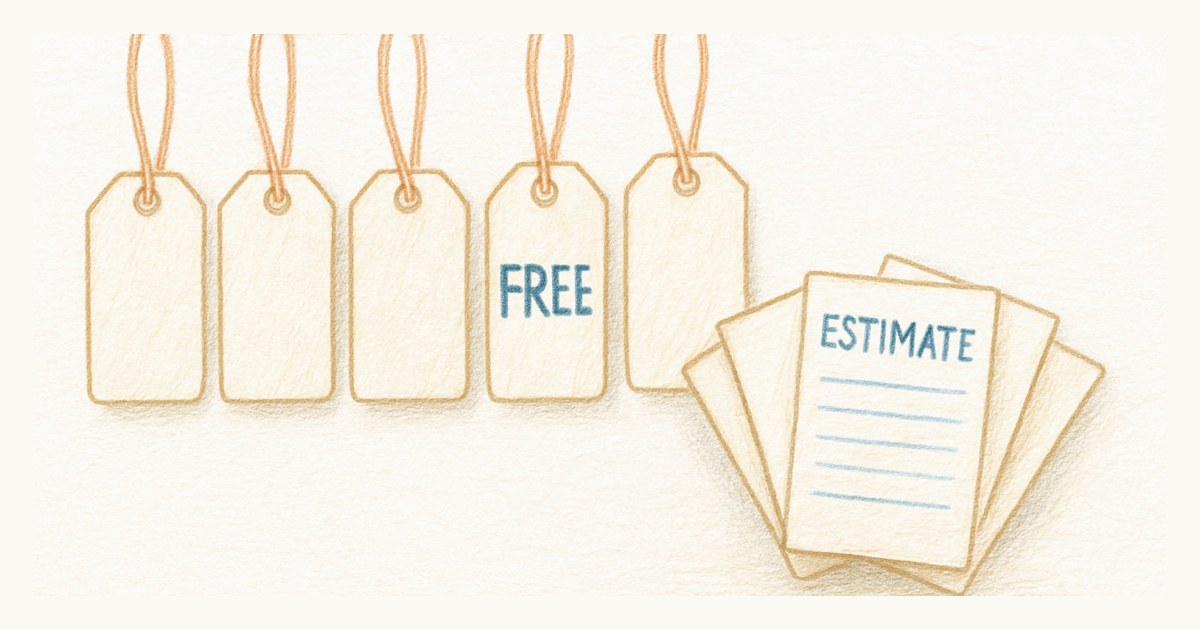
The first time it really bothered me, I was trying to add a client to a board.
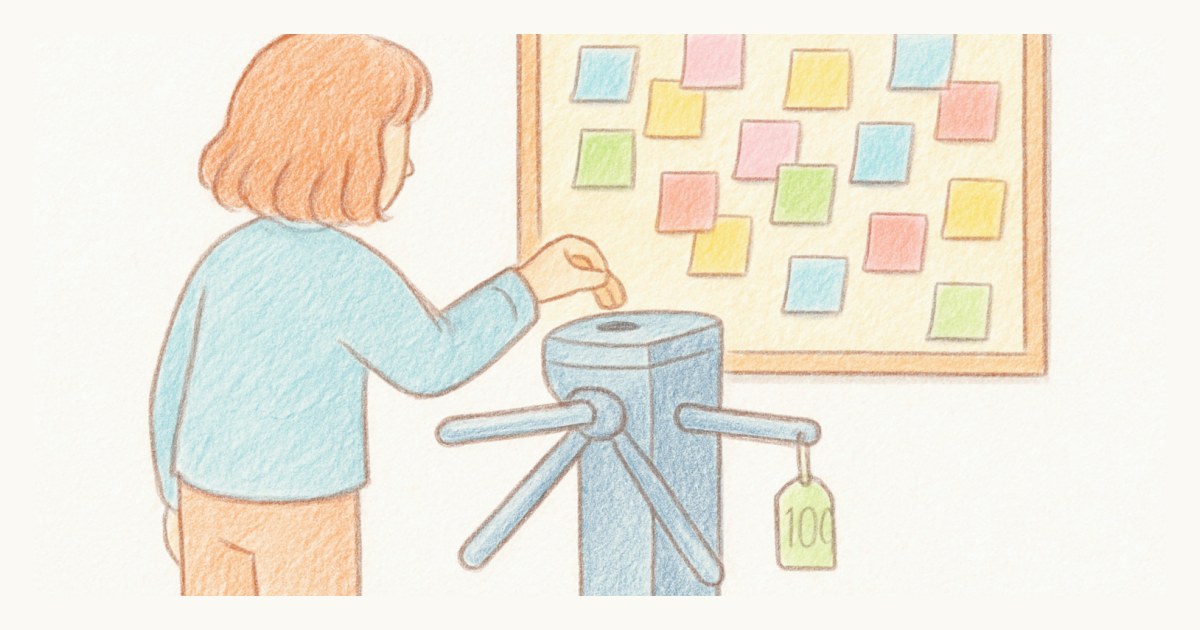
They did not need to edit anything. They were not going to move a card or write a story. They wanted to open a page once a week and see whether the thing they were paying for was on track. And the tool wanted me to buy them a full seat to do it. A seat priced for a working engineer, handed to someone who would never touch a single control. Multiply that by every client, every manager, every stakeholder who just wants a window into the work, and you are paying a real monthly sum for the privilege of letting people look.
That is the viewer tax, and once you notice it you cannot unsee it.
Who charges it, and who does not
I want to be fair here, because this is not a story where every tool is guilty and one hero is pure. The landscape is genuinely mixed, and that is the most important thing to understand: charging for viewers is a choice, not a technical necessity, and plenty of tools have chosen the other way.
On the charging side are some of the most popular tools in software. In Jira, any user who needs to see a board consumes a billable license. There is no general free read-only role, so a browse-only stakeholder still counts against your bill like anyone else. Linear is stricter still: it has no read-only viewer tier at all, and the guest accounts it does offer are billed as regular members and can edit, not just view. Zenhub bills per license for everyone on your GitHub organization who needs access, and charges for every seat you provision whether it gets used or not.
On the other side, this problem is clearly solvable, because several tools solve it. Monday.com includes unlimited free viewers on every plan, including its free tier. Asana and Notion both let you bring in free guests on their paid plans, with some limits on what each guest can see. Whether either is a scrum tool underneath is a separate question. So when a tool tells you that watching the board requires a paid seat, understand that this is a pricing decision its competitors have declined to make.
The argument against the tax
Here is the reasoning, plainly. A read-only viewer is close to free to serve. They generate no writes, trigger no automations you were not already running, and create none of the load a real editor does. The marginal cost of one more person reading a board is not zero, but it is close enough that charging a full working seat for it is hard to defend on cost grounds.
So what is it defending? Mostly it defends the seat count, which is a close cousin of the other thing tools do to keep you. And the effect, whatever the intent, is that teams start rationing visibility. You think twice before adding the client, you leave the wider team off, you send a screenshot instead of access, because every viewer is another line on the invoice. A planning tool that quietly discourages you from showing people the plan has its incentives backwards. Transparency is the point of the board. Charging for it taxes the very behavior you want.
There is a fairness angle too. When viewers are billed like editors, the person who benefits least from the tool pays the same as the person who lives in it all day. That is a strange way to price software, and it is why the honest version of a scrum tool separates the two.
What we do instead
Scrumpy bills for editors and no one else. Editors create stories, run sprints and move the board, and they are the only seats that count. Everyone else is free and unlimited: clients, managers, executives, the rest of the company if you want. That maths changes the shape of the job most if you run sprints for clients, where the watchers outnumber the builders on every project. A five-editor team pays a flat $45 a month, and if fifty stakeholders want to follow along in real time, it is still $45. Switch someone from viewer to editor when their role changes and the bill adjusts on its own.
This is not a loss leader or a trial gimmick. It is the pricing, and it is deliberate, because the teams we build for often have the most people who need to watch and the fewest who need to edit. Agencies are the clearest case: their clients should see the work live, and making that free is the difference between a client who feels looped in and one who keeps emailing for status.
If your current tool charges you for read-only access, run the number for a second. Count the people on your team and around it who only need to look, multiply by a seat price, and decide whether watching a board is worth that to you every month. It is not to me, which is part of why Scrumpy works the way it does. You can invite your whole company to your next sprint and pay for exactly the people doing the work.
Frequently asked questions
Do stakeholders need a paid seat to view a scrum board?
It depends on the tool. In Jira and Linear, yes: anyone who needs to see the board takes a full billable seat, and Linear bills guests as regular members. Other tools, including Monday.com and Scrumpy, let read-only viewers watch for free.
Which project tools offer free view-only users?
Scrumpy gives unlimited free view-only seats, and Monday.com includes free viewers on every plan. Jira, Linear and Zenhub have no free viewer role, so every stakeholder there is a paid seat. Asana and Notion allow free guests on their paid plans, with some limits on what a guest can see.
Why should read-only access be free?
Someone who only reads the board costs the tool almost nothing to support and adds no load a paying editor does not already create. Charging a full seat for read-only access mostly discourages teams from sharing progress, which is the opposite of what a planning tool should do.
How much can viewer seats add to the bill?
It adds up quickly. If ten stakeholders each need a seat around $10 per month just to watch, that is roughly $1,200 a year to give people read-only access. On a tool with free viewers, those same ten people cost nothing.