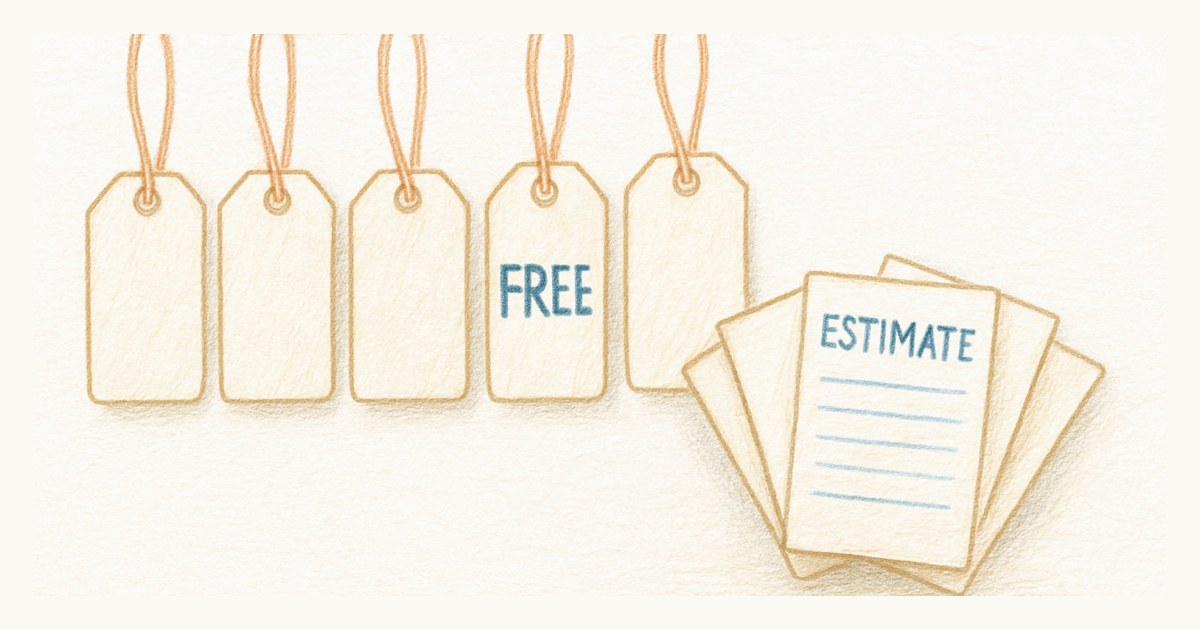
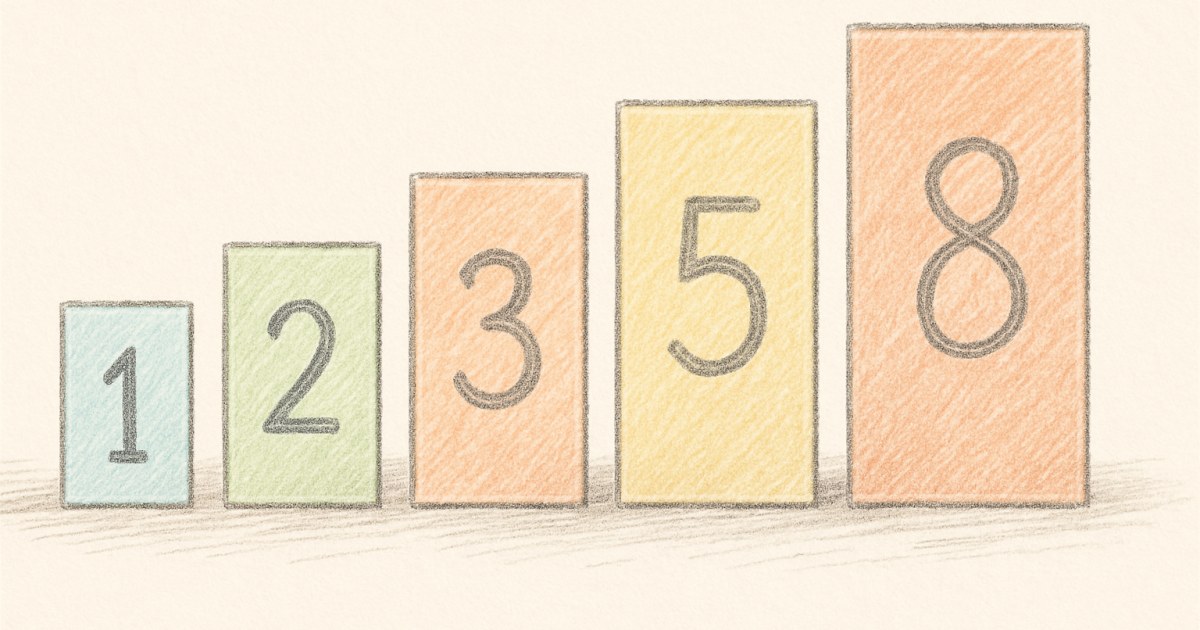
A tested comparison of the free planning poker tools worth using in 2026, including the exact limit each one hits: 9 votes, 10 people, 6 weeks, or ads.
A practical guide to running a planning poker session that finishes in fifteen minutes: what to prepare, which stories to bring, and what to do when the votes are miles apart.
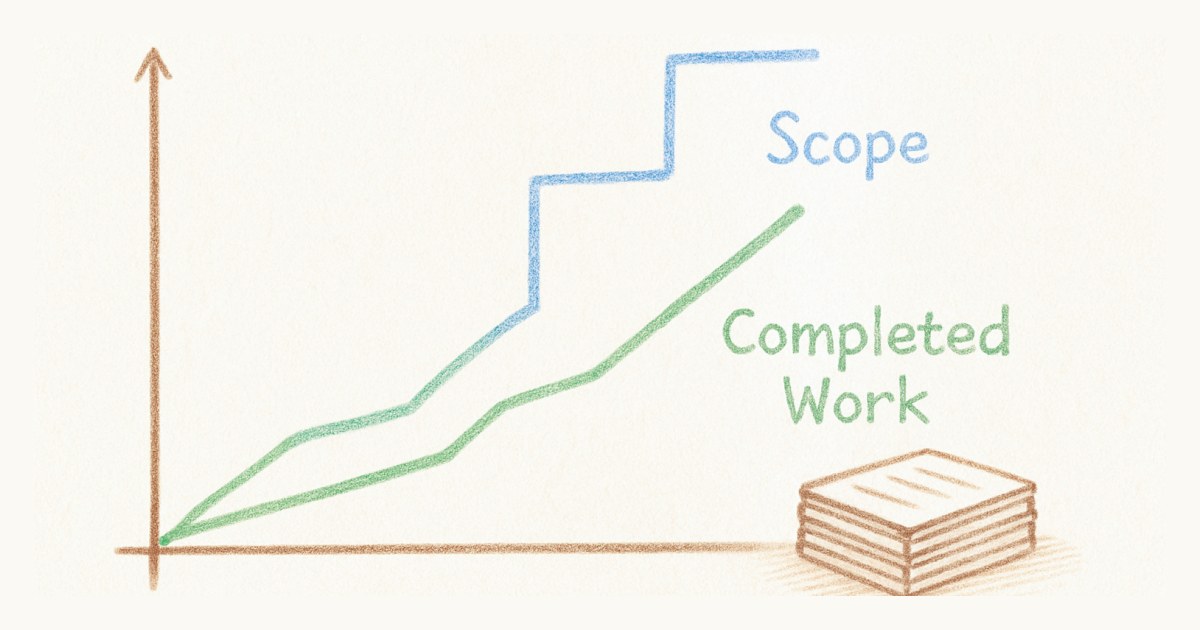
How an epic or initiative burnup report works: what the done and scope lines tell you, why the default epic burndown gets it backwards, and when you need one.
Linear's cycles roll unfinished work forward automatically. If your team wants a real sprint commitment and review instead, here are the alternatives worth looking at.
A practical comparison of scrum tools for teams of five to twenty, with real prices at twelve people, which tools do sprints natively, and how each one counts seats.
An honest comparison of Jira alternatives for teams under about twenty people, including what each one costs, which ones do real sprints, and when to just stay on Jira.
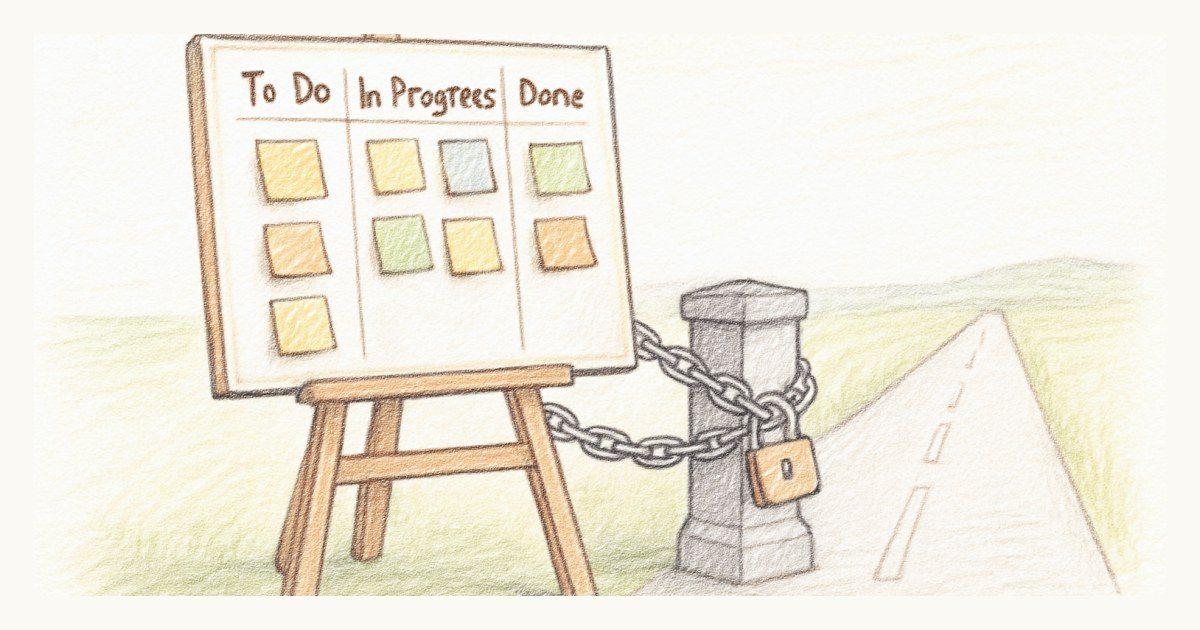
Cancelling Jira took me over 2.5 months and around 20 emails. What vendor lock-in in a project management tool really looks like, and how to check for it.
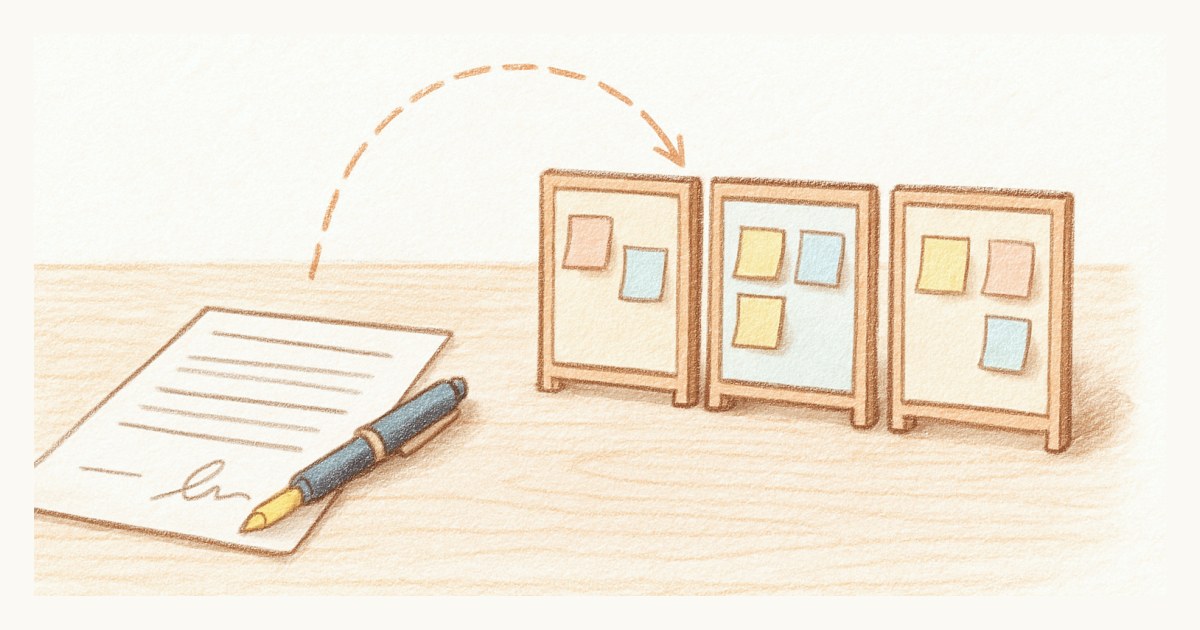
Scrum for agencies means fixed-price contracts, a borrowed product owner and three projects on one team. What adapts cleanly to client work, and what does not.
Azure Boards gives you sprints, velocity and burndown, free up to five users. Here is what it is great at, and where a small scrum team starts to stall.
Planning poker works, but most small teams do not need it every sprint. Four cheaper ways to size stories, and the moments that are worth reaching for the cards.
A small team can absorb most of the scrum master's job. Here is the part that quietly rots when nobody owns it, and what a certification actually proves.
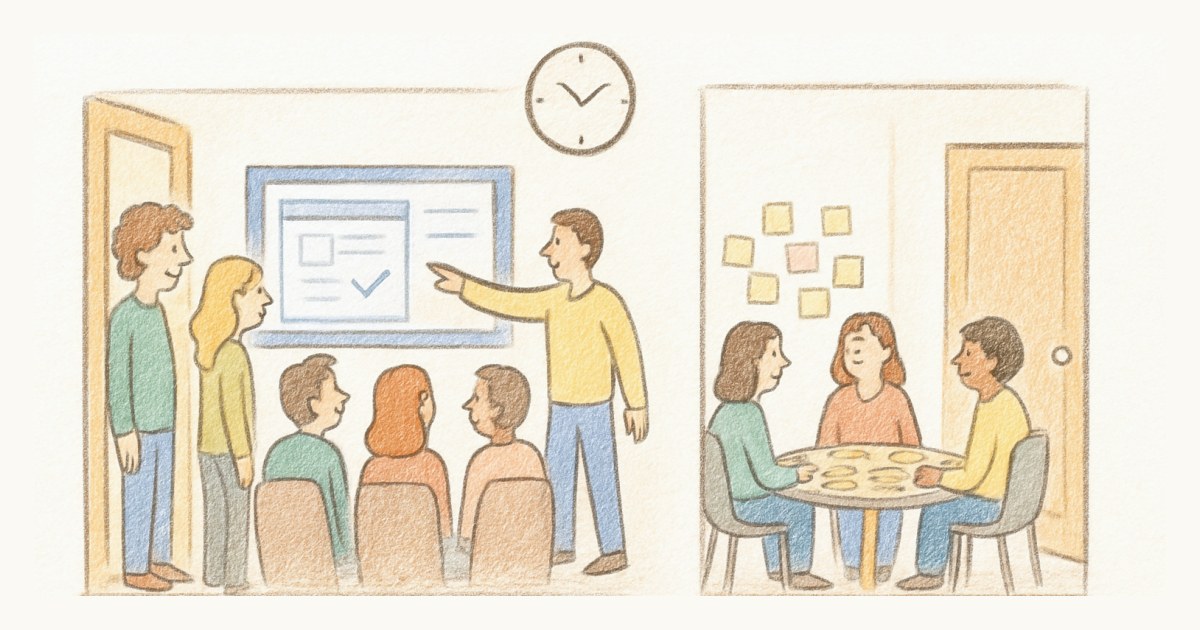
Sprint review and retrospective do different jobs for different audiences. What each is for, who belongs in the room, and a sprint review agenda that works.
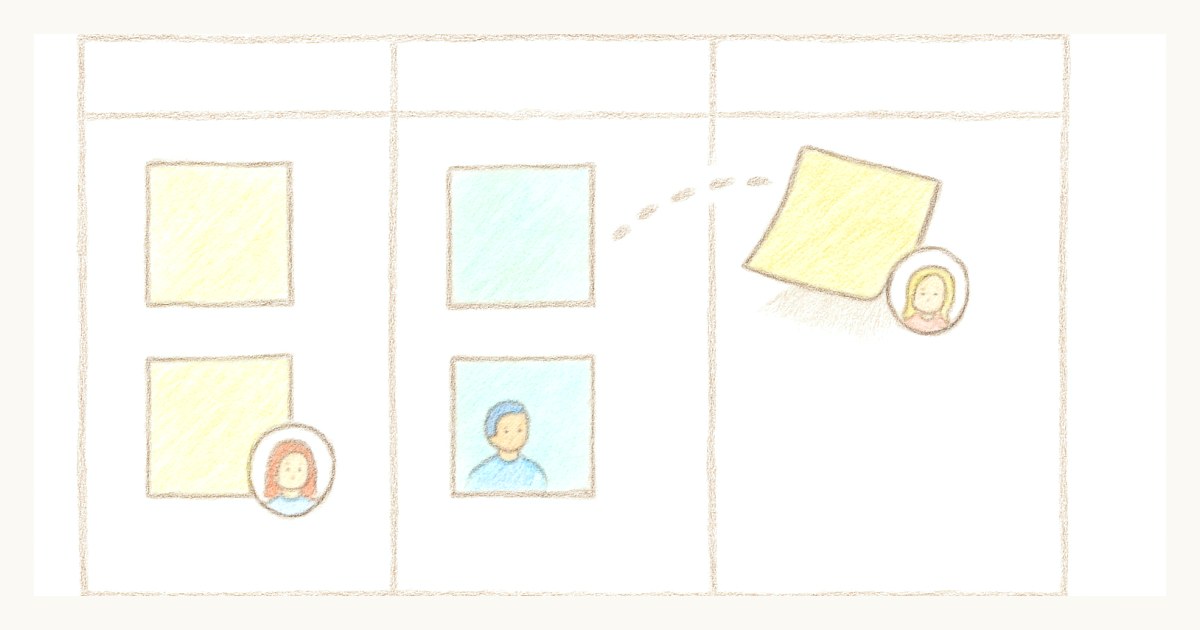
"Who is reviewing this?" is a routing decision, not standup news. How per-status auto-assignment works, how it compares to Jira and CODEOWNERS, and where it backfires.
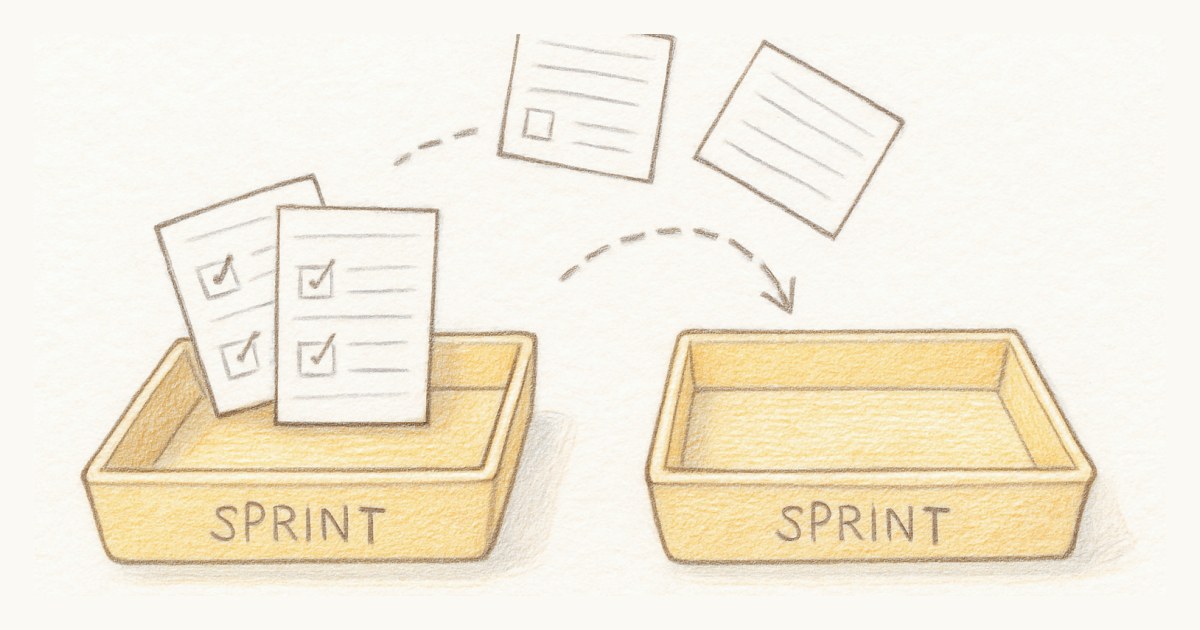
What to do with unfinished stories when a sprint ends: roll them over at full size, cancel what you will not finish, and why habitual spillover is a sizing problem.
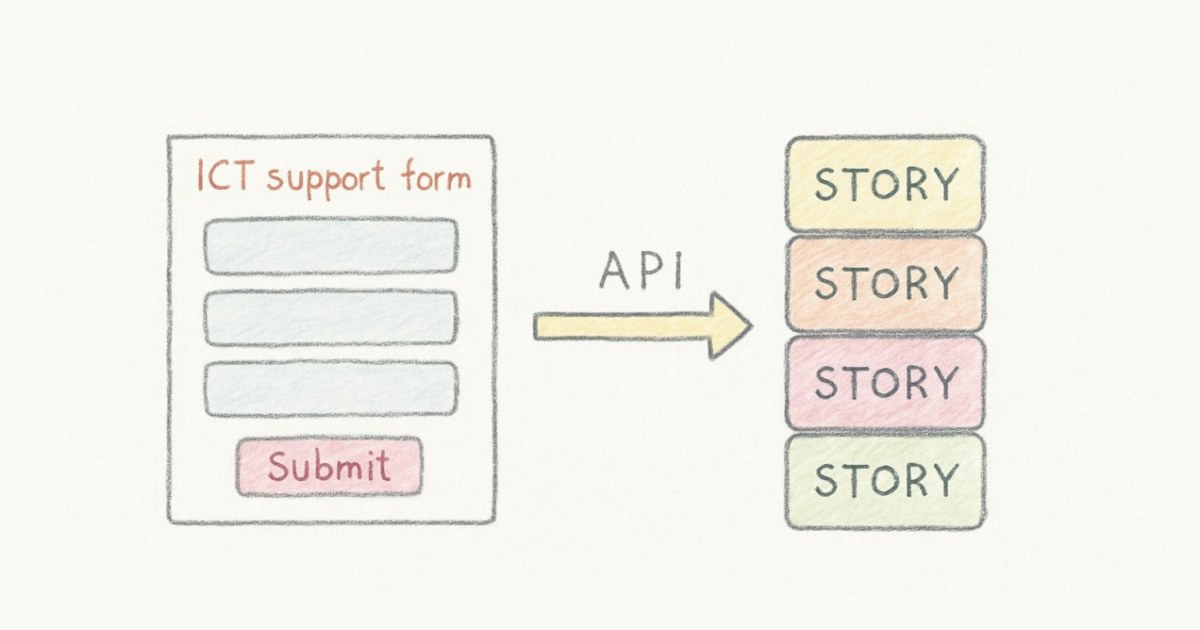
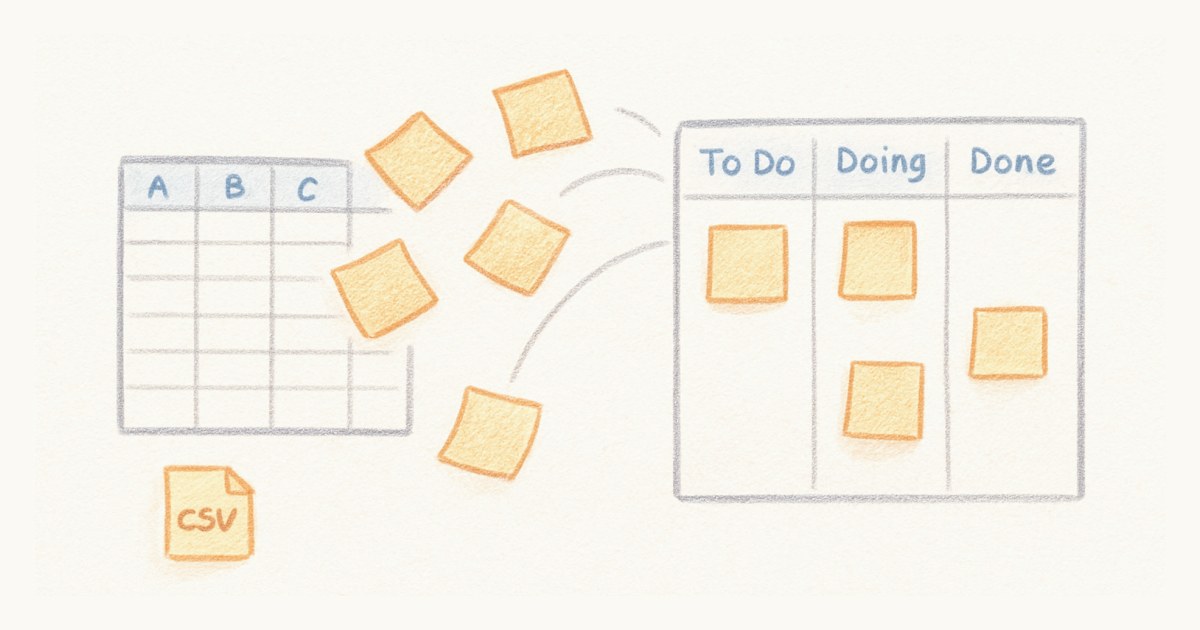
Give any external system a team-scoped API key to create, update and delete stories in your backlog. Turn a support form, an alert, or a migration script into ready-to-work stories.
How to write acceptance criteria that stop work coming back as not what I meant: the test every line must pass, a worked example, and when Given/When/Then is worth it.
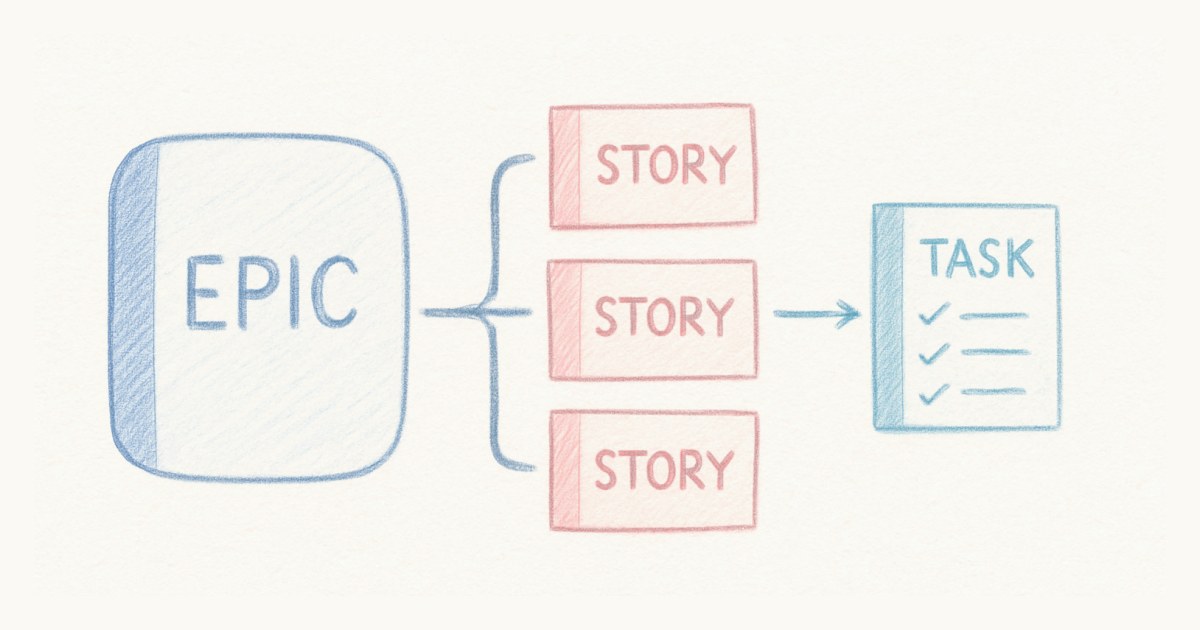
Epic vs story vs task explained: what each backlog level is for, why none of them are part of Scrum, and a simple test for when your team needs an epic.
Sprint velocity is the average story points your team finishes per sprint. Here is the calculation, what counts as done, and the limits of planning by it.
Linear runs cycles, not sprints, and has no free read-only viewer seat. How cycles compare to sprints, what a Linear scrum board can and cannot do, and where another tool fits.
Zenhub adds real scrum reporting to GitHub issues, but it works only with GitHub and bills for every seat. Here is the lock-in to weigh before you commit.
How long should a sprint be? The Scrum Guide caps it at a month, but the real answer is a trade-off between fast feedback and meeting overhead. Here is how to choose and commit.
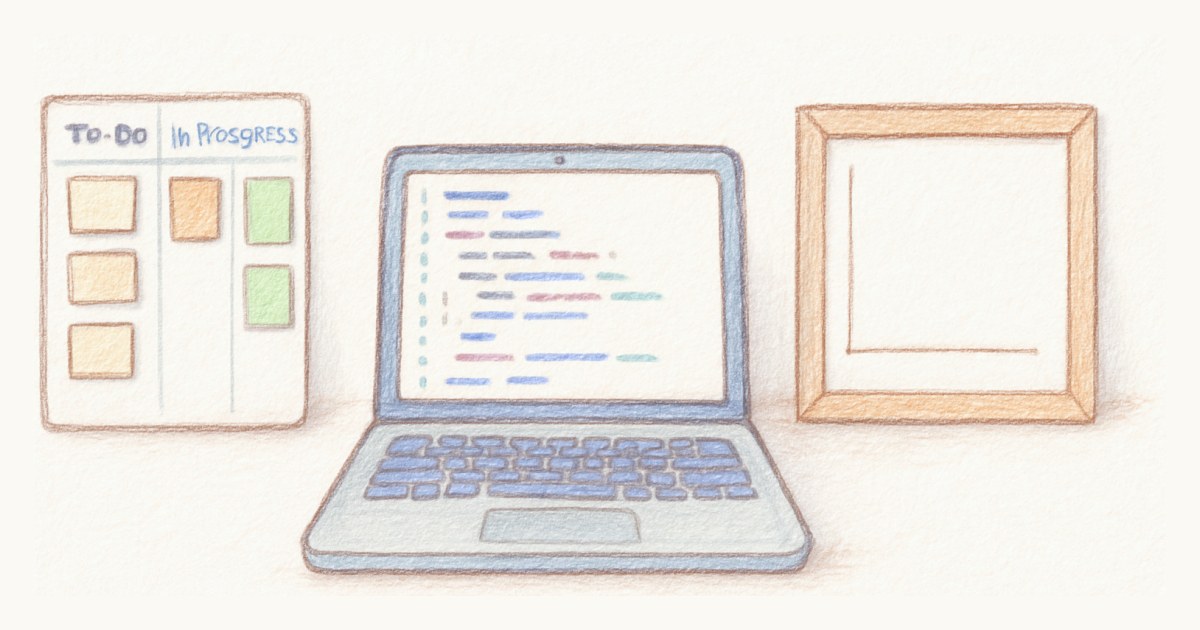
GitHub Projects lives right next to your code and handles iterations, but has no native burndown or velocity. Here is where a scrum team hits its limits.
Notion has a real native Sprints feature now, but no story points, velocity or burndown. Here is how far it takes a scrum team and exactly where it stops.
Burn-up and burndown charts both track a sprint but answer different questions. Here is how they differ, why a changing scope exposes the gap, and which one to trust.
How to write a user story that is clear enough to build: the As a / I want / so that format, when to drop it, writing acceptance criteria, and splitting stories that are too big.
Monday.com looks affordable per seat, but a three-seat minimum and a separate product for real scrum change the math. Here is the honest total for a small team.
What a definition of done and a definition of ready actually are, how they differ from acceptance criteria, and how to keep both short enough that a team will use them.
Asana approximates scrum with templates and custom fields, but has no native story points, sprint object or automated velocity. Here is what that costs a scrum team.
A practical Trello scrum board setup: the lists, the Power-Ups for story points and burndown, and how to run sprints when Trello has no sprint object. Plus where it stops paying off.
A guide to the sprint retrospective that leads to real change: a simple format, the one rule that keeps it honest, and how to avoid the same complaints every sprint.
A practical guide to the daily standup: what it is really for, how to keep it short, why the three questions go wrong, and how to make it useful for remote teams.
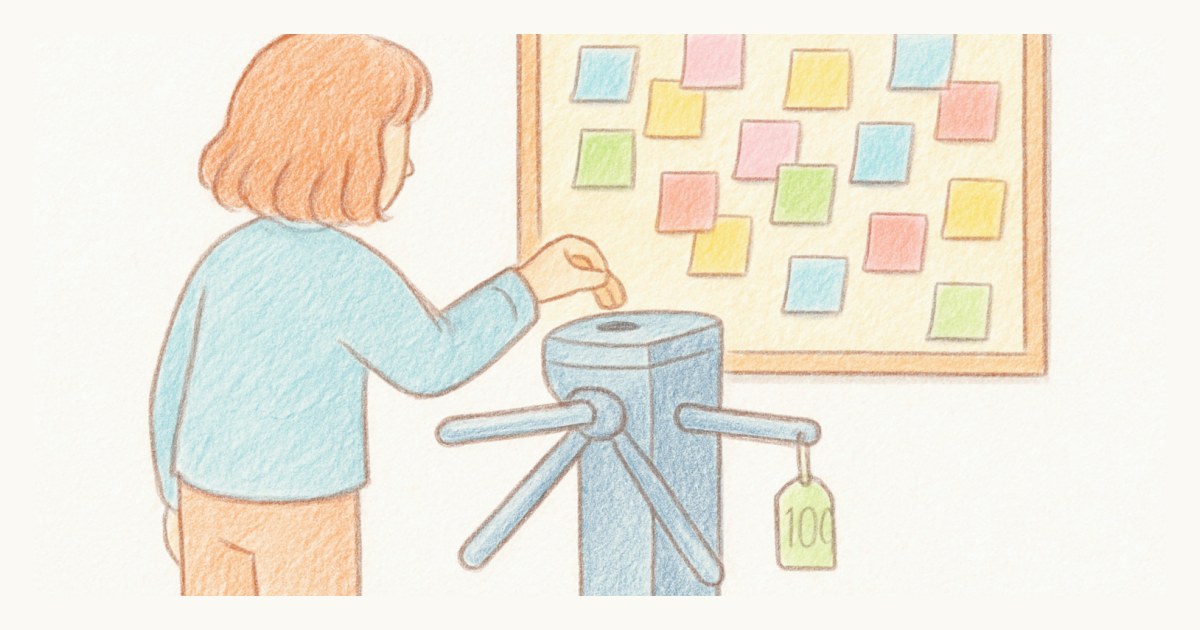
Jira, Linear and Zenhub charge a full seat for anyone who just wants to view the board. Here is why read-only access should be free, and which tools get it right.
A practical guide to backlog refinement: what it is, how often to do it, what a refined item looks like, and how to stop your backlog turning into a dumping ground.
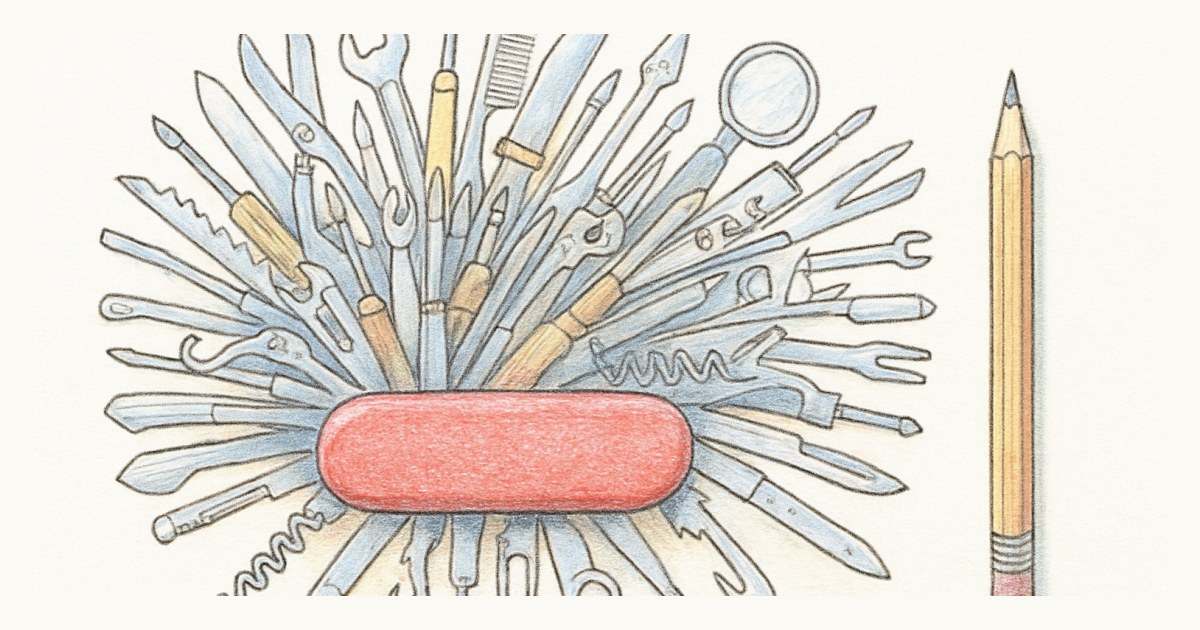
ClickUp bundles docs, whiteboards, dashboards and sprints into one app. Here is why that breadth turns into overwhelm for scrum teams, and when a focused tool wins.
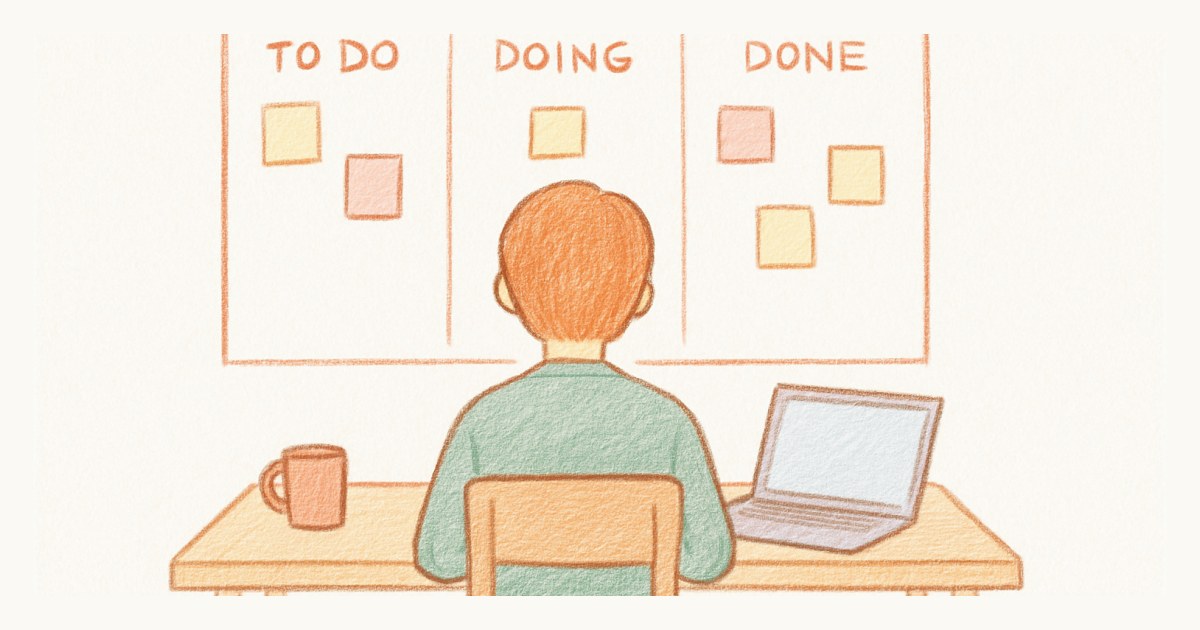
Do you need scrum as a solo developer or a two-person team? What is worth keeping, what is pure ceremony overhead, and how to run a light board on your own.
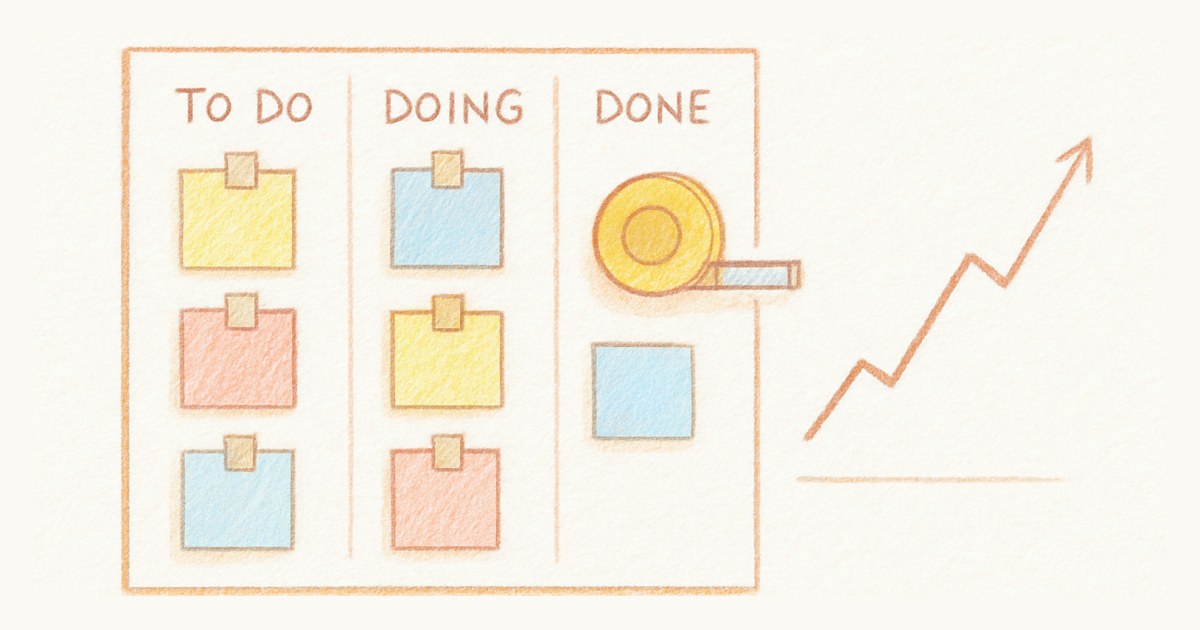
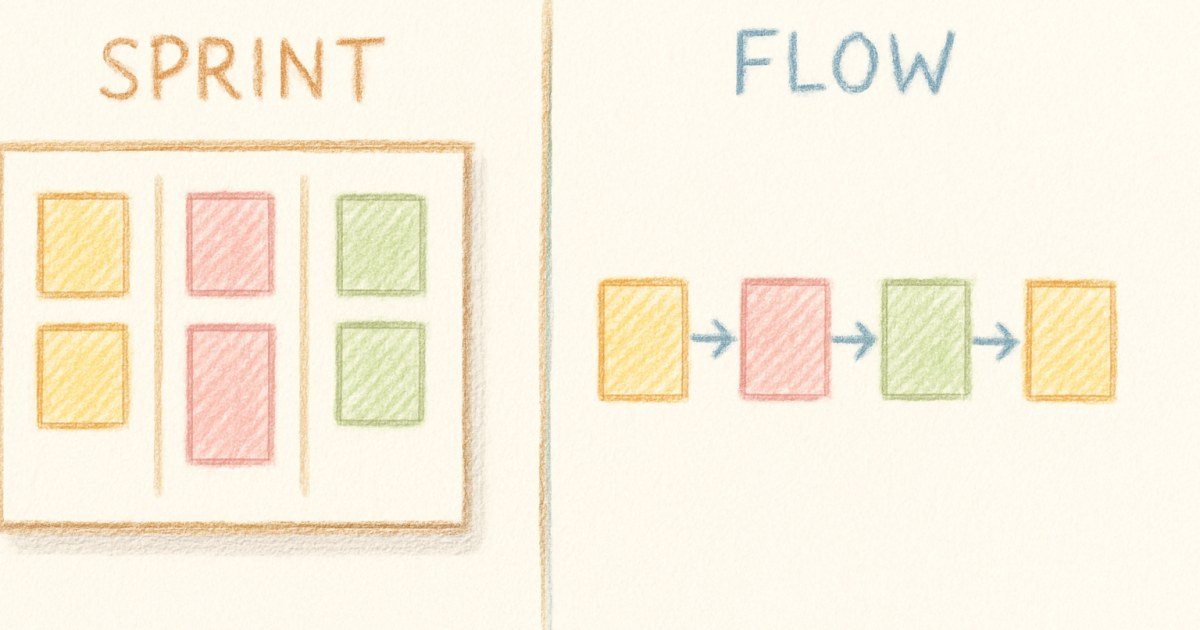
Scrum vs Kanban explained simply: how they really differ, when each one fits, whether you can mix them, and how to choose without overthinking the framework.
Story points explained without the jargon: what they are, why teams use them instead of hours, how to start estimating, and the mistakes that make them useless.
Scrumpy now has an AI writing assistant built into the board. Turn rough notes into clear stories, dictate by voice, and teach it your team's style. Included, not a paid add-on.
Jira too complicated for your team? Here is why it feels heavy, what it really costs, and how to move to a simpler scrum tool without losing a single issue.
A practical sprint planning checklist and meeting agenda: what to do before, during and after, how long it should take, and a worked example you can copy.
If your scrum board forces horizontal scrolling or hides columns once you have too many, it is working against you. Here is what a board should do with many columns instead.
·5 min read
We use strictly necessary cookies for authentication, security, and remembering your preferences. No tracking or advertising cookies. Privacy policy.